About Arcanium Studios
Forged in Duality — AI × Human
We bring imagination into physical reality.
Arcanium is a human–AI craft studio that transforms imagination into physical reality.
Drawing from history, mythology, engineering, and digital fabrication. Our craft isn't just about making durable objects. Its about making objects that are worth carrying through time.
We collaborate with creators, collectors, and curious minds to build objects that tell stories, solve problems, and reduce the distance between “I have an idea” and “I’m holding it in my hands.”
When someone says, “What if...?”
We respond with, “Let’s build it.”

How we work
AI × Human Workflow
AI supports research, structure, testing logic, and documentation. Human craft makes the final calls — and the final objects.
Research
Organises references, checks cultural and historical context, and
summarises source material for faster review.
Deep-dives into sources, selects what is culturally appropriate, and
sets the artistic and ethical direction.
Concept Modelling
Maps logic and constraints, tests structures virtually, and highlights
potential conflicts or missing links.
Sketches and prototypes ideas, defines function and form, and chooses
which concepts move forward.
Design Planning
Predicts material behaviour, flags structural risks, and suggests
options for load, balance, or wear.
Makes final design and engineering decisions, plans workflow, and
adapts designs to real-world tools and limits.
Crafting
No role in visual or physical generation.
AI does not sculpt, cast, paint, or generate imagery.
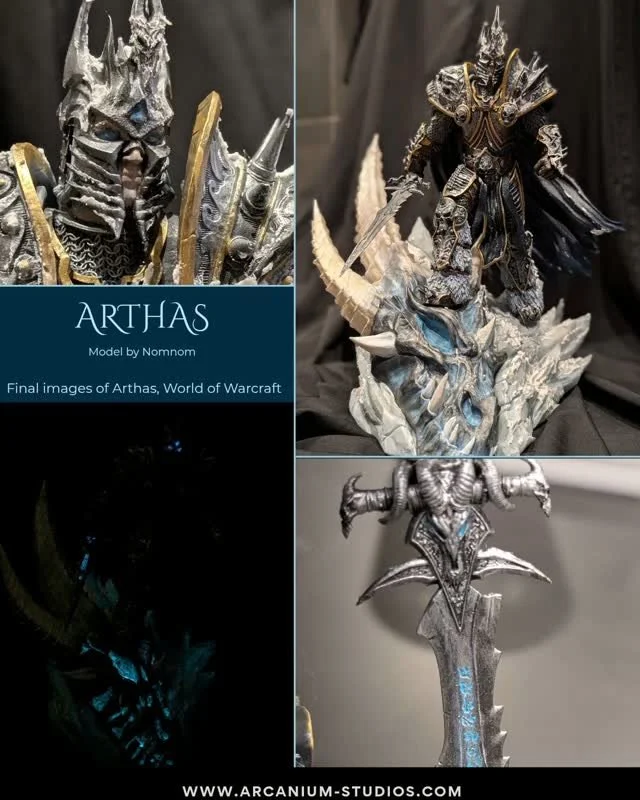
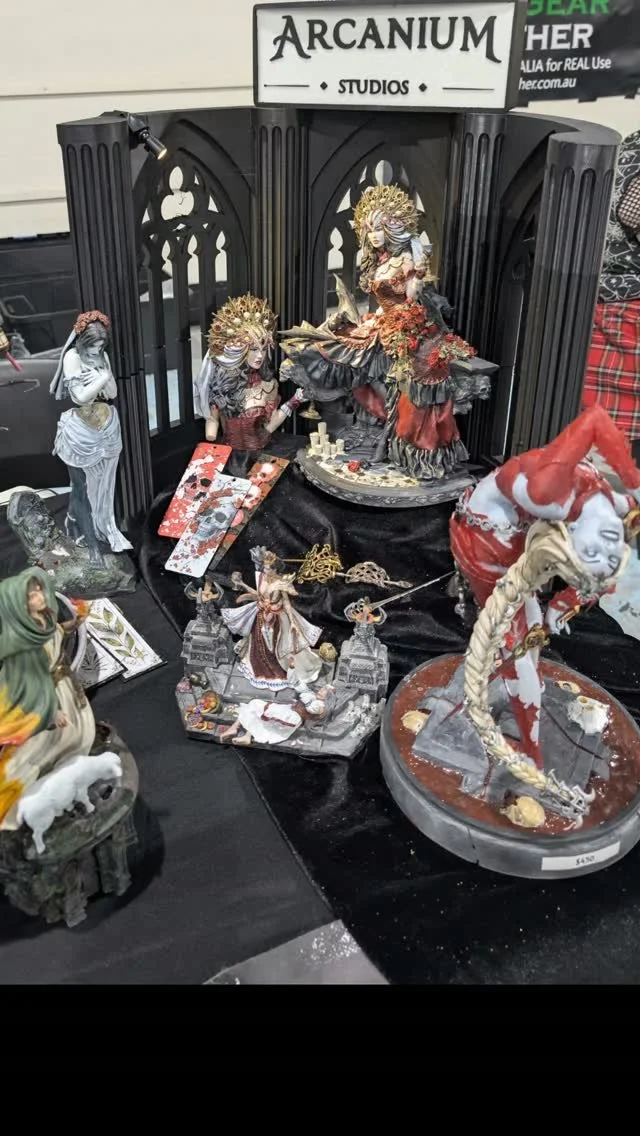
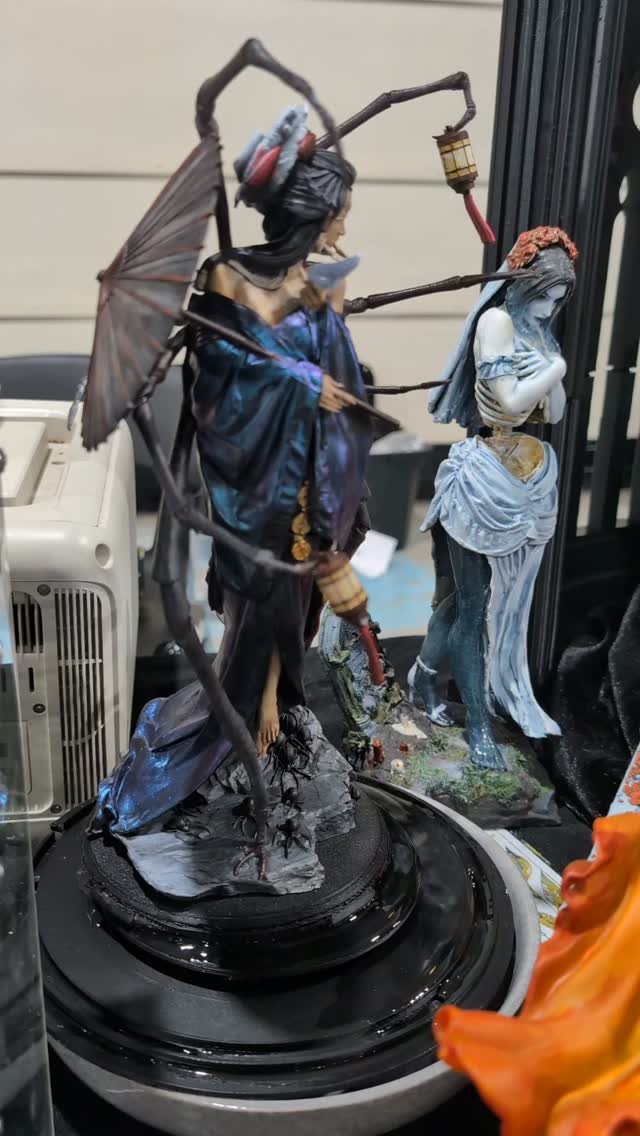
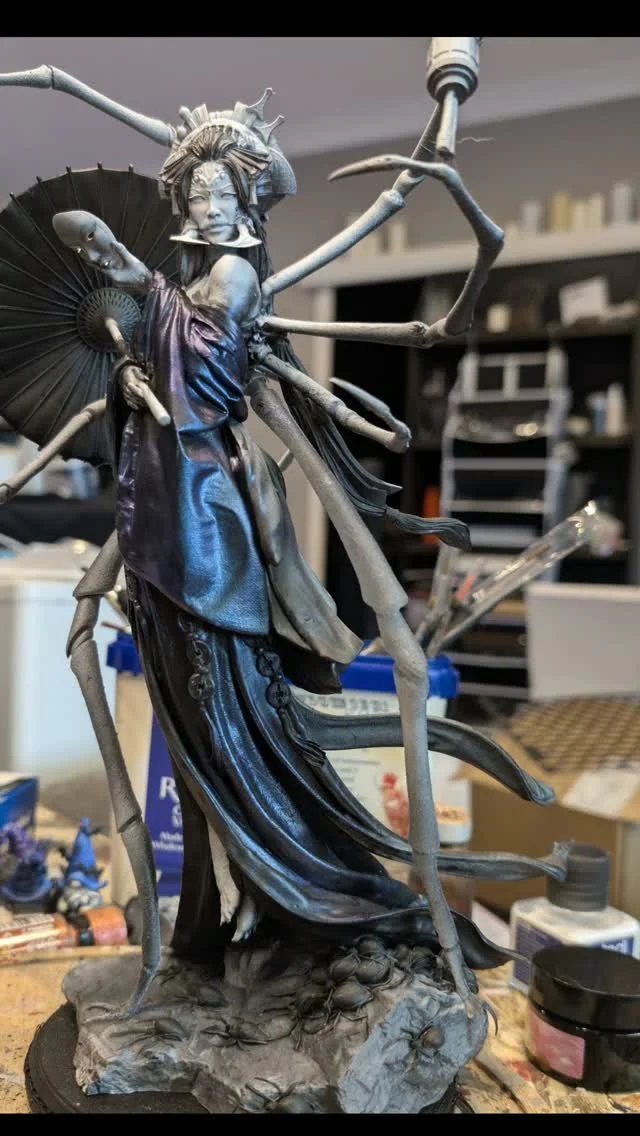
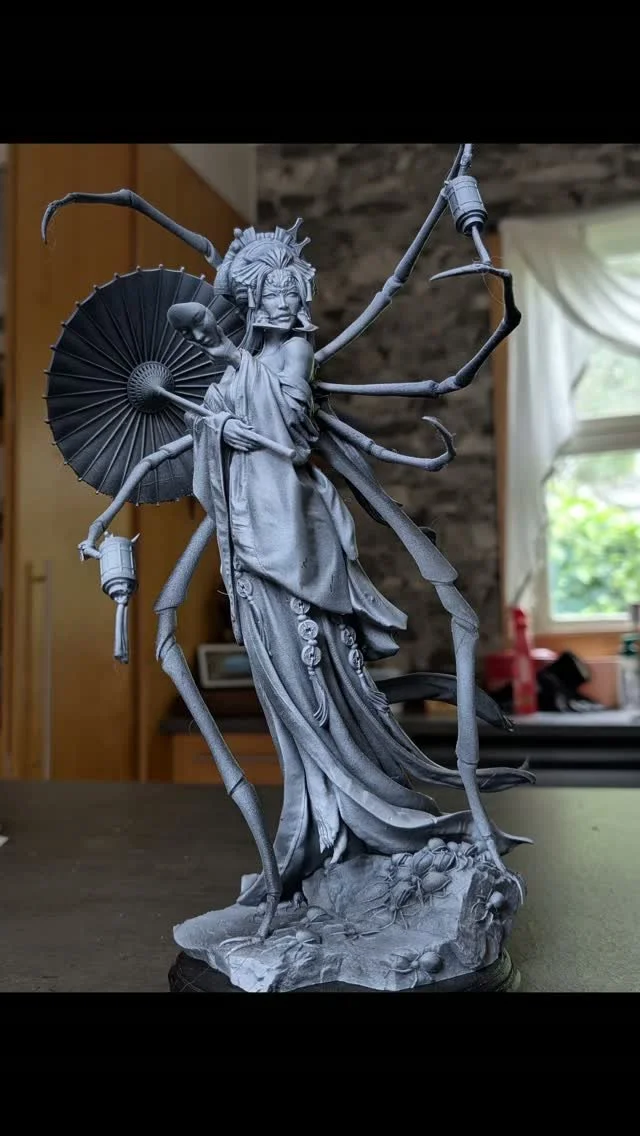
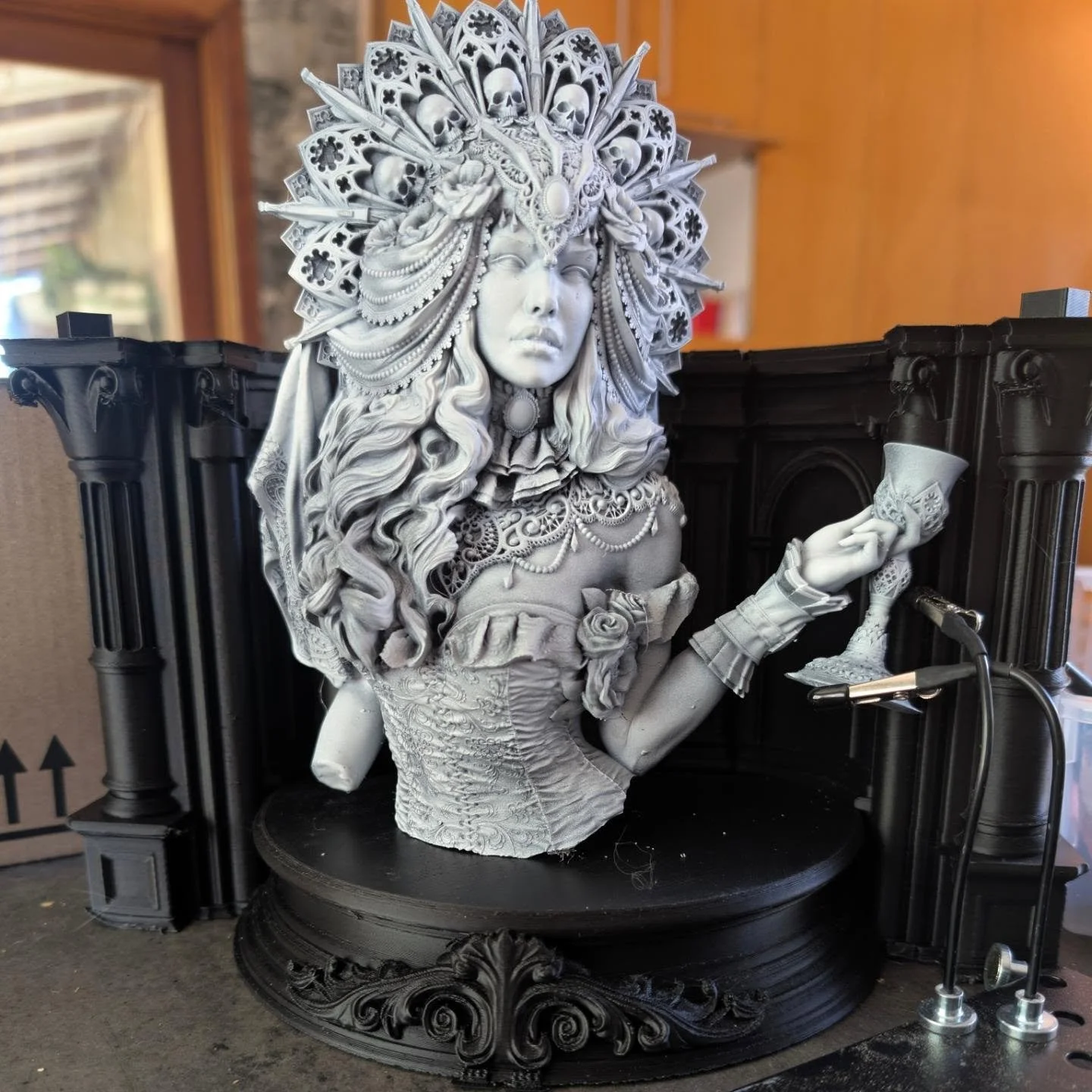
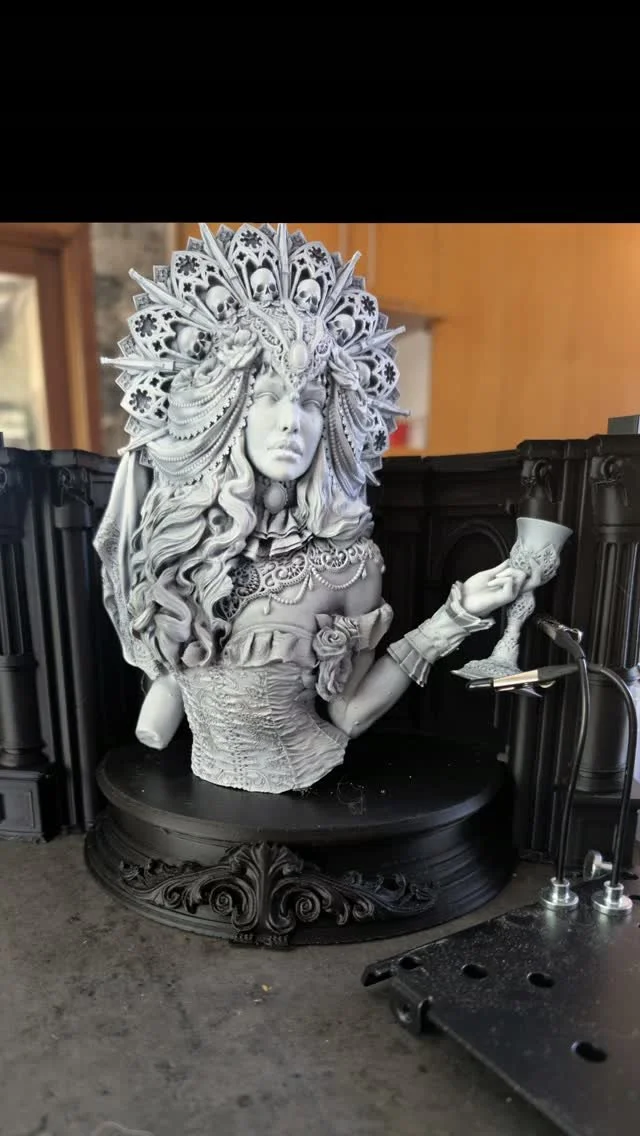
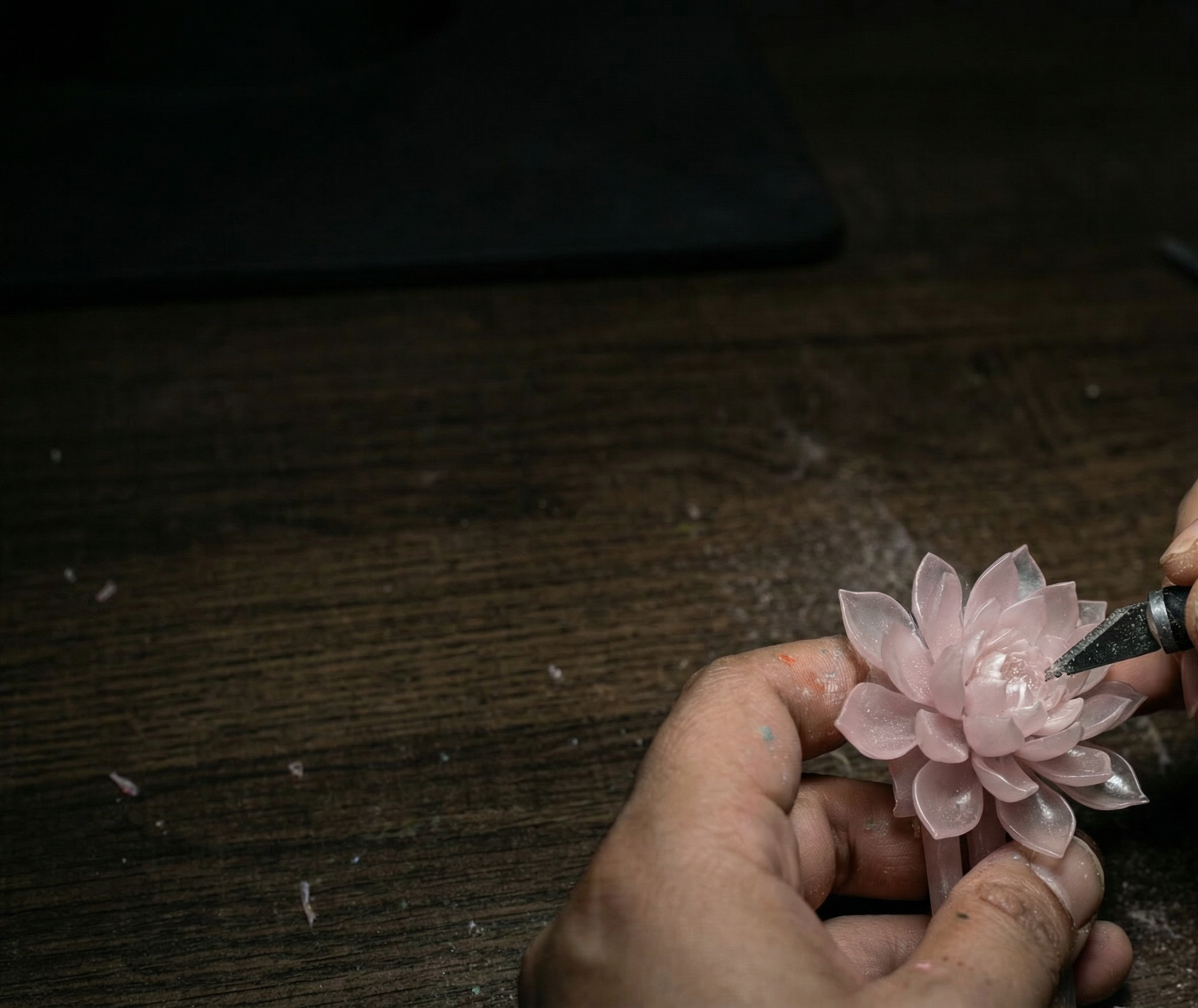
Hand sculpts, casts, sands, paints, finishes, and assembles every piece
— from dice and hairpins to props and sculptures.
Practical Effects & Illusions
Models light, flow, and visibility, and helps predict how fog, resin,
and lighting will interact.
Builds and installs the actual rigs: fog systems, lighting, supports,
and environmental setups for live displays.
Testing
Suggests test parameters and highlights potential weak points in the
logic or intended use.
Performs stress tests, wear tests, and real-world checks; adjusts
materials, fit, balance, and finish.
Cultural Context & Lore
Helps structure write-ups, surfaces primary sources, and keeps track of
references for later citation.
Writes the final lore cards and plaques, ensures tone and framing are
respectful, and confirms cultural accuracy.
Documentation
Assists with summarising process notes, organising logs, and formatting
information for clarity.
Reviews for accuracy and ethics, signs off on what is shared publicly,
and decides what becomes part of the record.